Extruded Aluminum Heat Sinks
AL6063 extruded heat sinks for air-cooled electronics, from compact PCB profiles to large and structural sections. HJTC reviews heat-source footprint, airflow, available envelope and mounting requirements before profile selection, tooling and production.Contact Now!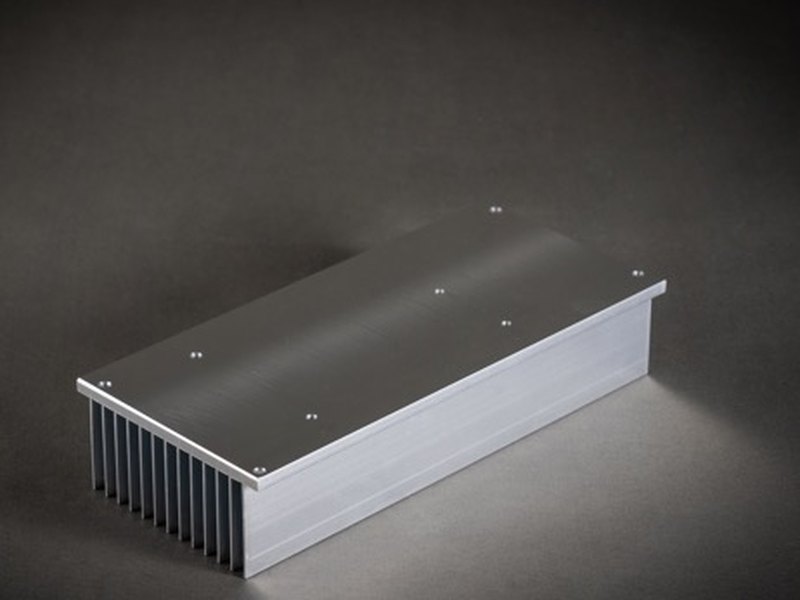
Explore Our Extruded Heat Sink Categories
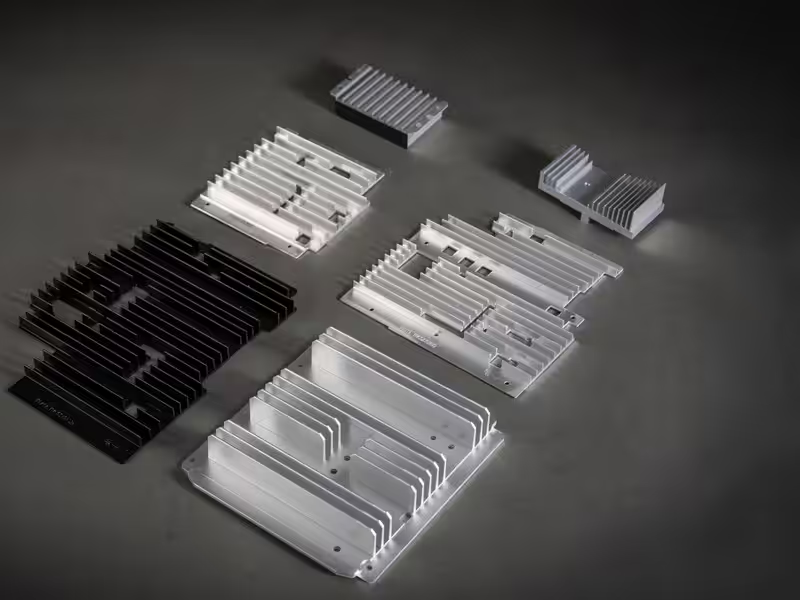
Compact Extruded Heat Sinks

Standard Extruded Heat Sinks

High-Density Extruded Heat Sinks

Large Extruded Heat Sinks
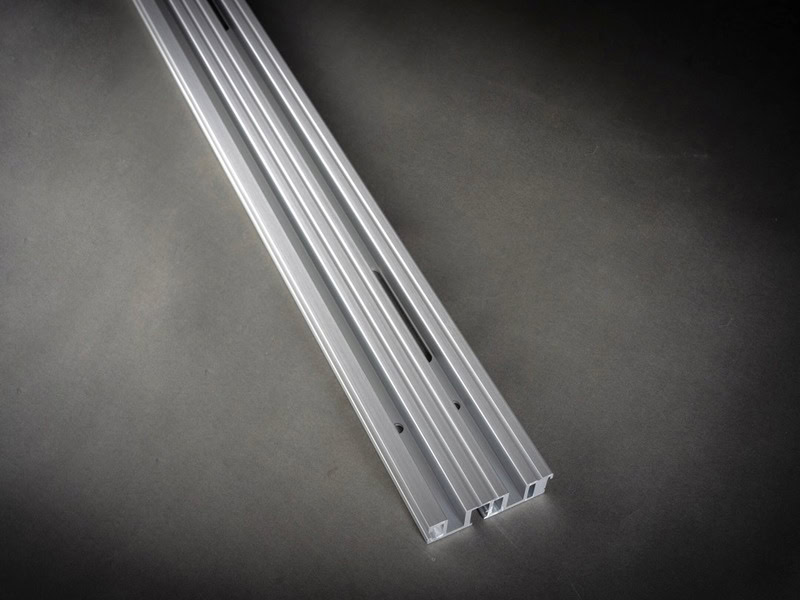
Special Profile Heat Sinks
Why Choose HJTC for Extruded Heat Sinks?
Wide profiles give you more room to manage larger and multi-device thermal layouts.
Defined Extrusion Capability
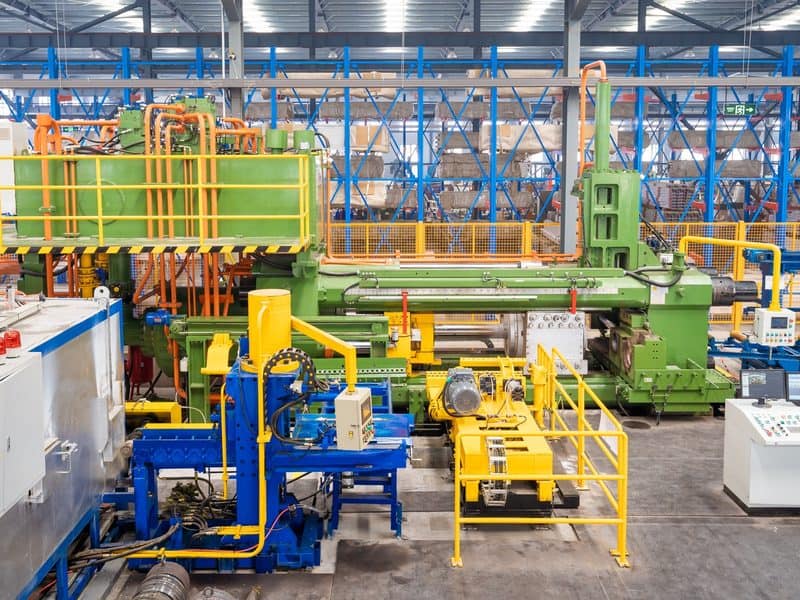
HJTC processes AL6063 on 1250T and 2200T extrusion presses, with fin thickness down to 0.8 mm, fin ratios up to 23:1 and sections up to 330 mm, subject to profile geometry.
Engineering Before Tooling
Fin geometry, wall sections, heat-source layout and secondary machining requirements are reviewed before a new extrusion die is released, helping identify manufacturing risks earlier in the project.
From Simulation to Physical Verification
Thermal simulation and airflow CFD support design review, while CMM inspection and in-house thermal testing help verify geometry and cooling behavior before production release.
Where Extruded Heat Sinks Are Used
Extruded profiles often work as one part of a larger thermal architecture, selected according to heat load, space, airflow and the heat source being cooled.




Choose the Process Before the Profile
An extruded heat sink should be selected only after the thermal boundary conditions are understood. Heat load, heat-source footprint, airflow, available section size and production volume determine whether extrusion is sufficient—or whether skiving, bonded fins, heat pipes or liquid cooling should be evaluated.

How to Choose an Extruded Heat Sink Type
Start with the system boundary conditions before comparing individual aluminum profiles.
Define heat load, source footprint and allowable device temperature first. A large heat sink cannot compensate for an undersized contact area or an unsuitable thermal path.

Natural convection, forced airflow, fan pressure and flow direction affect usable fin height and spacing. The profile should be selected for the airflow available inside the final equipment.
Servers and telecom systems may use extruded heat sinks together with heat pipes, vapor chambers or liquid cooling. Process selection should follow the heat source and system constraints—not a preferred manufacturing method.
How to Work With Us
From initial requirements to the right extrusion route in 3 steps.
01
02
03
Frequently asked questions
An extruded heat sink is produced by forcing heated aluminum through a die to create a continuous cross-section containing the base and cooling fins. The profile is then cut to length and can receive secondary machining such as drilling, tapping or CNC features according to the final assembly drawing.
HJTC groups extruded heat sinks into five main categories: compact, standard, high-density, large and special-profile heat sinks. The right category depends on available space, fin requirements, airflow, heat-source layout and whether the extrusion must also provide structural or enclosure functions.
Yes, but the cooling method depends on the individual heat source and system conditions. Extruded heat sinks can be effective for many air-cooled devices, while higher heat flux, tighter packaging or lower temperature targets may require skiving, heat pipes, vapor chambers or liquid cooling.
HJTC currently supports AL6063 profiles using 1250T and 2200T presses, with fin thickness down to 0.8 mm, fin ratios up to 23:1 and sections up to 330 mm. These are capability boundaries rather than guaranteed values for every profile, so the complete cross-section requires DFM review.
Another process should be evaluated when the required fin thickness, density, height or overall structure moves beyond practical extrusion limits. HJTC can review skived heat sinks for thinner dense fins or bonded-fin heat sinks for larger and more flexible fin structures.